


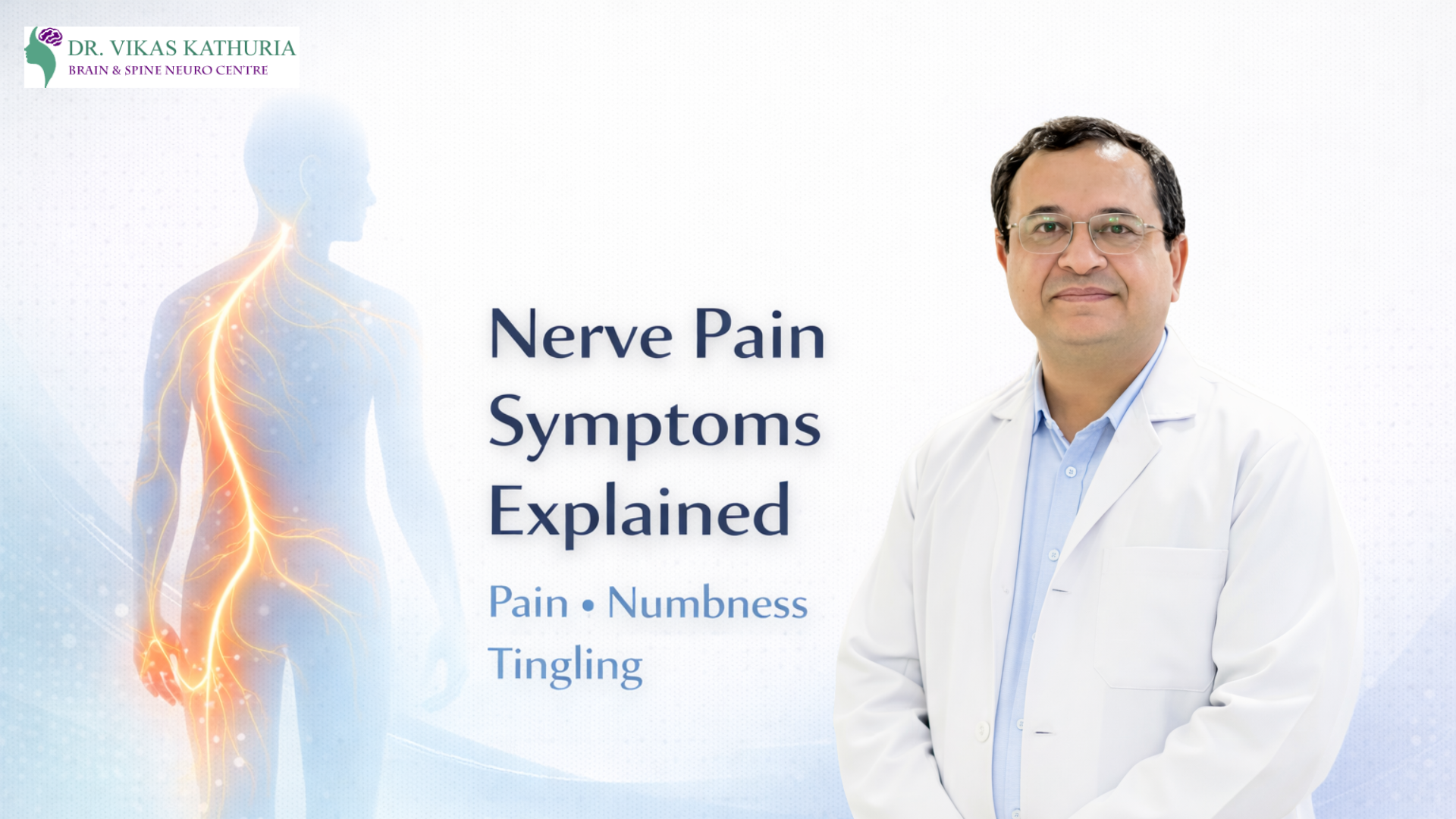
Pain, Numbness, Tingling: How to Understand Nerve-Related Symptoms
Many people feel strange body sensations at some point. Sometimes it is a sharp pain. Sometimes the hand feels asleep. Sometimes there is tingling like tiny ants moving under the skin. These feelings can be confusing and even scary. This guide gives nerve pain symptoms explained in simple words. When you understand what your body is saying, you can seek the right help at the right time.
What Are Nerves and Why They Matter
Your body has a large network of nerves. These nerves are like electrical wires. They carry messages between the brain and every part of the body. When you touch something hot, nerves quickly tell the brain. When you want to move your hand, the brain sends a signal back through the nerves.
When nerves are healthy, messages travel smoothly. But if a nerve is pressed, irritated, or damaged, the messages become confused. This is when nerve-related symptoms begin.
How Nerve Pain Feels Different
Muscle pain usually feels sore and heavy. Joint pain feels stiff. But nerve pain feels very different. It can feel sharp, burning, electric, or stabbing.
Many patients say it feels like a shock or sudden current passing through the body. This is one of the most important parts of nerve pain symptoms explained. Nerve pain often travels from one place to another instead of staying in one spot.
Why Numbness Happens
Numbness means loss of normal feeling. The skin may feel thick or dull. You may touch something but not feel it properly.
This happens when a nerve cannot send signals correctly. Pressure on the nerve blocks the message between brain and skin. For example, sitting in one position too long can temporarily numb the leg. But long-lasting numbness needs medical attention.
Understanding numbness is a key part of nerve pain symptoms explained because it often appears before pain becomes severe.
Tingling and Pins-and-Needles Sensation
Tingling feels like tiny pricks or ants crawling on the skin. Many people feel it in their fingers, hands, feet, or toes.
This sensation occurs when nerves are irritated but not completely blocked. The nerve keeps sending mixed signals to the brain. It is like a phone connection with disturbance.
Tingling is often an early warning sign. Listening to it early can prevent bigger nerve problems.
Pain That Travels Down the Arm or Leg
One important clue in nerve pain symptoms explained is traveling pain. If pain moves from the neck to the arm or from the back to the leg, it is usually nerve-related.
For example, lower back nerve pressure can cause pain down the leg. Neck nerve pressure can cause pain in fingers. This type of pain is not just muscle strain.
Weakness in Hands or Legs
Nerves control muscles. When nerves struggle, muscles become weak. You may drop objects, struggle to grip, or feel your leg giving way while walking.
Weakness is an important sign. It means the nerve signal is not reaching muscles properly. This needs proper evaluation without delay.
Why Symptoms Come and Go
Many nerve symptoms appear and disappear. A person may feel normal one day and uncomfortable the next day.
This happens because pressure on the nerve changes with posture and movement. Sitting, bending, or lifting may increase pressure. Resting may reduce it. But repeated symptoms should not be ignored.
Common Causes of Nerve Problems
Nerves may be affected by disc bulges, spine wear, injuries, swelling, or long-term posture problems. Sometimes diabetes or vitamin deficiency also affects nerves.
In the nerve pain symptoms explained, the important idea is not guessing the cause yourself. Proper diagnosis identifies the exact reason behind the symptoms.
How Doctors Check Nerve Symptoms
Doctors listen carefully to symptom patterns. They check reflexes, strength, and sensation. Imaging like MRI helps see nerves and spine clearly.
The goal is understanding the source of the problem. Treatment depends on cause, not just pain level.
When to Seek Medical Advice
Occasional tingling after sitting long may not be serious. But persistent numbness, spreading pain, weakness, or balance trouble should be checked.
Early care prevents permanent nerve damage. Waiting too long may make recovery slower.
Treatment Does Not Always Mean Surgery
Many patients worry about surgery. But most nerve conditions improve with medicines, therapy, posture correction, and guided exercises.
Surgery is recommended only when necessary, such as severe nerve compression or loss of function.
Caring for Your Nerves Daily
Simple habits help nerves stay healthy. Good posture, movement breaks, proper sleep, and hydration support nerve function.
Understanding nerve pain symptoms explained helps people respect small warning signs instead of ignoring them.
Final Thoughts
Pain, numbness, and tingling are not random sensations. They are messages from your nervous system. The body is asking for attention. By learning nerve pain symptoms explained, you become aware of when to rest, when to adjust habits, and when to consult a specialist.
At Dr. Vikas Kathuria’s clinic, each patient is evaluated carefully to find the real cause of nerve symptoms. Early guidance brings relief, confidence, and safer recovery. Listening to your nerves today can protect your health tomorrow.